


Packaging challenges in business | Common Face How to Solve

Packaging challenges in business, is greater than simply a container—it’s a crucial element in item protection, branding, logistics, and consumer satisfaction. Nevertheless, many businesses face numerous product packaging challenges that can hinder operational efficiency and increase costs.
In this article, we will explore the most common product packaging challenges in business and present effective packaging problem-solving techniques to resolve them.
1. Product Packaging Supply Chain Issues
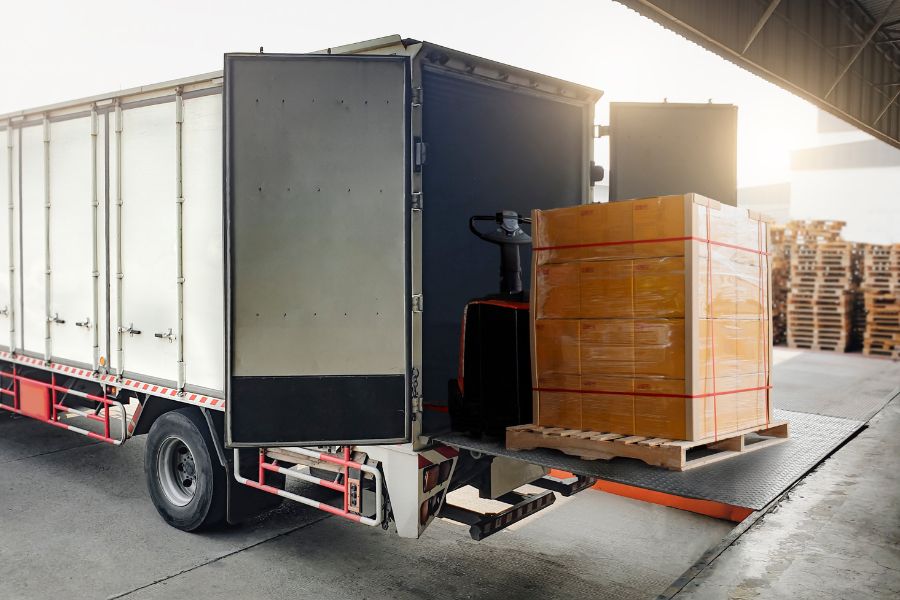
One of the most critical product packaging obstacles businesses face is disruptions in the product packaging supply chain. These issues can stem from transportation delays, supplier reliability problems, or geopolitical events.
✅ Solution:
-
Develop supplier partnerships to build strong relationships and reliable backups.
-
Diversify suppliers to minimize the risk of single-source dependency.
-
Use predictive analytics to anticipate shortages and adjust procurement strategies.
2. Product Packaging Cost Management Difficulties
Controlling costs without compromising quality is a common struggle. Businesses often face rising material and transportation costs, leading to product packaging cost management issues.
✅ Solution:
-
Implement product packaging cost reduction strategies such as lightweight materials and right-sizing.
-
Conduct cost-benefit analysis for each packaging component.
-
Leverage bulk purchasing or long-term contracts with suppliers.
You might also like: Packaging and Customer Experience Satisfaction Brand Loyalty
3. Product Packaging Material Shortages
Product packaging material shortages can halt production lines and delay deliveries, often due to global demand shifts and resource constraints.
✅ Solution:
-
Identify alternative materials offering similar performance.
-
Invest in packaging sustainability initiatives like recyclable or biodegradable options.
-
Maintain a buffer inventory of critical materials to cushion against short-term shortages.
4. Product Packaging Design Limitations
Effective product packaging must balance form and function. Poorly designed packaging can result in damaged goods or a poor customer experience.
✅ Solution:
-
Use innovative packaging solutions like modular designs or smart packaging.
-
Conduct packaging audits to enhance structural integrity and aesthetics.
-
Involve stakeholders from design to delivery in the packaging process improvement.
5. Product Packaging Sustainability Challenges
Sustainability is now a business imperative. Companies face pressure to reduce environmental impact while maintaining performance.
✅ Solution:
-
Adopt packaging sustainability initiatives like compostable packaging or minimalistic designs.
-
Incorporate reusable materials and eco-friendly inks.
-
Educate consumers on proper disposal or recycling of packaging.
6. Product Packaging Compliance Issues
Non-compliance with packaging regulations can lead to fines, recalls, or brand damage, including labeling rules, material restrictions, and safety laws.
✅ Solution:
-
Stay updated with local and international packaging laws.
-
Integrate compliance checks into packaging quality control processes.
-
Use automated systems for label accuracy and tracking.
7. Product Packaging Damage During Transit
Packaging damage during transit affects product integrity, customer trust, and return rates—a major concern in ecommerce and retail.
✅ Solution:
-
Enhance protective features like cushioning, edge guards, and tamper-evident seals.
-
Apply packaging troubleshooting techniques to identify and resolve weak points.
-
Test packaging under simulated shipping conditions before full rollout.
8. Product Packaging Storage Limitations
Warehouse space is costly and limited. Poor packaging design can result in inefficient stacking and storage.
✅ Solution:
-
Standardize packaging dimensions to maximize space.
-
Invest in collapsible or stackable packaging solutions.
-
Use smart inventory management tools to monitor storage efficiency.
9. Product Packaging Scalability Challenges
As businesses grow, their product packaging must scale accordingly. Poor scalability can cause production and logistics bottlenecks.
✅ Solution:
-
Design packaging that suits multiple SKUs and product sizes.
-
Partner with scalable packaging providers to handle demand spikes.
-
Automate aspects of the packaging process for high-volume efficiency.
10. Product Packaging Technology Integration
Many companies struggle with packaging technology integration, including automation, IoT tracking, and data analysis.
✅ Solution:
-
Embrace packaging process improvement through automation in printing, filling, and sealing.
-
Use data-driven tools for inventory forecasting and performance tracking.
-
Train staff to operate new technologies effectively.
Strategies for Effective Product Packaging Problem-Solving
Solving product packaging problems requires a strategic approach. Here are proven techniques businesses can adopt:
✅ 1. Packaging Troubleshooting Techniques
-
Perform root cause analysis for recurring issues.
-
Use customer return data to identify failure points.
✅ 2. Packaging Process Improvement
-
Map the current process to detect inefficiencies.
-
Implement lean manufacturing principles to eliminate waste.
✅ 3. Packaging Innovation Solutions
-
Explore AR/VR for design validation.
-
Pilot smart labels and QR codes for real-time tracking.
✅ 4. Packaging Risk Mitigation
-
Create contingency plans for supplier and material disruptions.
-
Insure high-value shipments.
✅ 5. Packaging Quality Control Measures
-
Conduct regular inspections and quality checkpoints.
-
Use Statistical Process Control (SPC) for consistency.
✅ 6. Packaging Supplier Collaboration
-
Hold regular performance review meetings.
-
Share forecasts and product development timelines.
✅ 7. Packaging Cost Reduction Strategies
-
Negotiate tiered pricing with volume-based discounts.
-
Use lightweight yet durable materials.
✅ 8. Packaging Efficiency Optimization
-
Implement just-in-time packaging inventory systems.
-
Optimize the layout of the packaging area in the facility.
✅ 9. Packaging Sustainability Initiatives
-
Conduct lifecycle analysis of packaging.
-
Partner with recycling organizations to close the loop.
✅ 10. Packaging Customer Feedback Utilization
-
Use surveys and reviews to collect packaging feedback.
-
Prioritize changes based on common pain points.
Conclusion
Addressing product packaging challenges in business is essential for ensuring operational continuity, customer satisfaction, and sustainability. With the right packaging problem-solving techniques, businesses can not only overcome obstacles but also turn packaging into a competitive advantage.
By tackling issues such as product packaging supply chain disruptions, packaging design limitations, packaging cost management challenges, and compliance concerns, companies can streamline operations and enhance brand value.
Leveraging packaging innovation solutions, automation, and customer feedback utilization paves the way for long-term success.
Start transforming your product packaging processes today with these actionable strategies to overcome every challenge in your path.
