


Heavy Duty Packaging Solutions How to Optimize for Machinery

Heavy Duty Packaging Solutions, When delivering sturdy devices and commercial equipment, utilizing the best strong product packaging options is not simply an ideal method—it’s a need. Whether you’re delivering locally or exporting internationally, ensuring the safety of your valuable assets depends on reliable equipment transportation product packaging. This article provides a comprehensive guide on maximizing product packaging for heavy equipment, using proven techniques and durable product packaging solutions designed to minimize damage, reduce delays, and enhance logistics.
Why Product Packaging Matters for Industrial Tools and Equipment
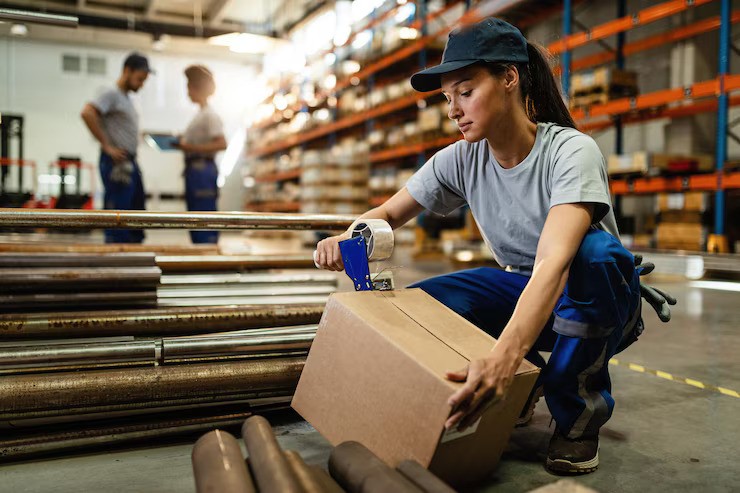
Heavy equipment and industrial devices often come with a high price tag, complex structures, and fragile components. A single mishap during transport can lead to major financial losses and operational delays. That’s where industrial devices product packaging comes in. The goal is to provide safety product packaging for tools that ensures secure delivery while maintaining efficiency across the supply chain.
Key Considerations When Designing Heavy-Duty Product Packaging
To create effective heavy-duty product packaging design, consider the following essential factors:
1. Weight and Dimensions
The size and weight of the equipment determine the structural strength required. Reinforced product packaging for heavy items is essential to avoid collapse or damage during handling.
2. Fragility and Sensitivity
Some machines contain delicate electronics or fragile parts. Durable product packaging for equipment should include shock-absorbing materials and moisture protection to safeguard these elements.
3. Shipping Route and Duration
Understanding the transport route and expected duration is crucial. Long international shipments require equipment export product packaging that can withstand harsh environments, vibrations, and temperature variations.
Types of Strong Product Packaging Solutions
Several types of strong product packaging solutions are used across industries, each tailored to specific equipment needs:
1. Custom Heavy-Duty Crates
Custom heavy-duty crates made from wood or engineered timber are commonly used in industrial equipment packaging solutions. These crates are built to exact specifications and can be reinforced with steel brackets or internal supports for structural integrity.
2. Equipment Shipping Containers
For larger or higher-value equipment, equipment shipping containers offer unmatched protection. Frequently used in equipment packaging logistics, these containers are reusable, making them cost-effective over time.
3. Foam and Cushioning Systems
Foam inserts, shock mounts, and vibration-dampening systems are vital for secure product packaging for transportation. They prevent internal movement and absorb impacts during loading, transit, and unloading.
4. Barrier Bags and VCI Films
To guard against moisture, rust, and corrosion, many equipment packaging materials include vacuum-sealed barrier bags and Volatile Corrosion Inhibitor (VCI) films. These are especially critical in equipment export packaging, where humidity control is vital.
You might also like: Custom Wooden Packaging Can Improve Brand Recognition
Custom Packaging for Tools: Tailored for Performance

Each piece of equipment is unique—therefore, custom product packaging for tools is often the most reliable approach. This process involves working with engineers and designers to create a transport-ready product packaging design that meets both product specifications and logistical requirements.
Benefits of Custom Packaging:
-
Optimized use of space
-
Reduced shipping costs
-
Enhanced protection and handling
-
Improved branding and documentation compliance
Companies offering industrial equipment crating often provide value-added services such as on-site packaging, CAD modeling, and drop testing to ensure your equipment packaging solutions are transport-ready and secure.
Best Practices for Equipment Transportation Product Packaging
Implementing the right approach for equipment transportation product packaging is critical to minimizing damage and delays. Here are some best practices:
1. Use Recyclable and Compliant Materials
Ensure your heavy equipment shipping packaging complies with ISPM-15 and other export regulations. Using heat-treated or fumigated wood can prevent customs issues and guarantee international acceptance.
2. Labeling and Documentation
Include clear labels such as “Fragile,” “This Side Up,” or “Do Not Stack.” Detailed documentation should accompany the shipment, outlining handling instructions and contents.
3. Stack ability and Load Distribution
Proper packaging for heavy equipment must allow safe stacking and even weight distribution. Poor stacking can lead to damage during transit and unloading.
4. Weather-Resistant Coating
Use waterproof coatings, shrink wraps, or laminated barriers to protect your equipment packaging materials from environmental exposure.
Choosing the Right Packaging Partner
Selecting a reliable partner for industrial equipment packaging services can make a significant difference. Look for providers with:
-
Experience in equipment transportation packaging
-
In-house design and engineering teams
-
Compliance with international shipping standards
-
Customization capabilities for strong packaging design
Working with such experts ensures your equipment packaging solutions are not only strong but also cost-effective and efficient.
Final Thoughts
Optimizing your packaging strategy is critical when handling high-value equipment and devices. From custom heavy-duty crates to advanced equipment shipping containers, your choice in strong packaging solutions can protect your investment and streamline operations.
By understanding your product’s requirements and implementing tailored equipment transportation packaging, you can ensure safety, efficiency, and compliance every step of the way.
Whether you’re shipping locally or globally, don’t underestimate the power of the right transportation packaging for machines. Invest in the right tools, materials, and partners to create secure packaging for transportation and ensure your equipment arrives exactly how it left—intact and operational.
