


Packaging and Customer Experience Satisfaction Brand Loyalty

Packaging and customer experience, In today’s open market, product packaging and client experience play an essential role in shaping how customers perceive a brand. It’s no longer just about protecting a product during transit—packaging has evolved into a powerful tool for communication, branding, and building emotional connections. In fact, businesses that invest in innovative packaging solutions often witness stronger brand loyalty through packaging.
In this post, we’ll explore how product packaging impacts customer satisfaction and drives brand loyalty, focusing on key aspects such as design, convenience, personalization, and brand messaging.
The Role of Packaging in Customer Experience
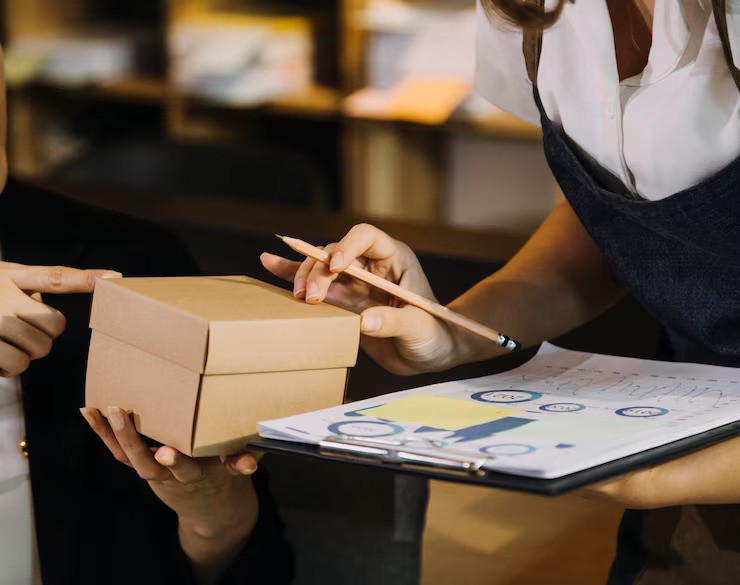
1. Packaging and Customer Experience
Packaging and customer experience are deeply intertwined. From the moment a customer sees a product, the packaging sets the tone for what’s inside. Whether it’s sleek and premium or eco-friendly and minimalistic, packaging communicates value and intent.
A positive packaging and customer experience not only enhances product appeal but also builds trust in the brand. For eCommerce businesses, the first physical touchpoint is often the package itself—making it crucial to leave a lasting impression.
2. The Power of the Unboxing Experience
The packaging unboxing experience has become a viral marketing asset. Social media is full of unboxing videos, highlighting the joy and excitement that thoughtful packaging can evoke. Branded elements, clever design, and well-organized contents can transform a basic delivery into an emotional event.
This contributes to deeper packaging and customer engagement, strengthening the bond between consumer and brand. A memorable unboxing makes customers feel valued, increasing the likelihood of repeat purchases.
Packaging and Its Psychological Impact
3. Packaging Aesthetics and Perception
The visual appeal of packaging—its color scheme, typography, textures, and graphics—affects how a product is perceived. Packaging aesthetics and perception can elevate an item from ordinary to premium, influencing purchasing decisions.
Consumers often associate well-designed packaging with higher quality, enhancing packaging and perceived value.
4. Packaging Functionality and Convenience
Function is as critical as form. Easy-to-open, resealable, or reusable packages contribute to packaging usability and convenience, enhancing user experience. Frustrating packaging—like clamshells that are hard to open—creates negative associations with your brand.
Smart functionality improves packaging and customer satisfaction, demonstrating care for the customer’s comfort.
Personalization, Engagement, and Emotional Connection
5. Packaging Personalization
Customized packaging that addresses customers by name or includes personalized messages taps into packaging personalization. These touches foster emotional bonds and encourage brand loyalty.
This type of engagement improves packaging and customer behavior, encouraging customers to return for a more personal experience.
6. Packaging and Product Presentation
Tidy, well-arranged, and branded packaging and product presentation elevate perceived quality. A neatly presented product enhances the unboxing moment and reflects professionalism.
Thoughtful presentation is often seen as a mark of your brand’s dedication to excellence.
You might also like: Supply Chain Packaging Optimization With Packaging Solutions
Packaging as a Branding Powerhouse
7. Brand Loyalty Through Packaging
Strong brand loyalty through packaging develops when customers have consistently positive experiences. Packaging can reflect brand values—whether it’s sustainability, luxury, or creativity.
When expectations align with delivery, trust and loyalty naturally follow.
8. Packaging as a Branding Tool
Treat packaging as an extension of your marketing strategy. Packaging as a branding tool allows businesses to communicate their story, mission, and vision—not just through logos, but through every design element.
9. Packaging and Brand Recognition
Consistent design elements build packaging and brand recognition. When consumers can instantly identify your product on a shelf or in an unboxing video, you’ve achieved strong brand recall.
10. Packaging and Brand Identity
Your packaging should reflect your packaging and brand identity. For instance, an eco-conscious brand may use recycled materials with minimal aesthetics, while a premium brand might use embossed logos and luxury finishes.
Every detail shapes how customers identify and connect with your brand.
Consistency, Messaging, and Trust
11. Packaging Consistency and Trust
Customers appreciate familiarity. Packaging consistency and trust go hand in hand. When packaging remains uniform across product lines, it reassures consumers and builds credibility.
Sudden or unexplained changes in packaging can confuse or alienate customers, impacting loyalty.
12. Packaging and Brand Messaging
Through both visuals and text, packaging and brand messaging communicate your promise. Clear messages like “100% recycled,” “handcrafted,” or “premium quality” reinforce your unique selling proposition and establish trust.
Beyond the Box: Long-Term Impact
13. Packaging and Customer Retention
Delivering a memorable packaging experience increases packaging and customer retention. When customers feel emotionally satisfied, they’re more likely to stick with your brand over competitors.
A Dotcom Distribution study found that 40% of consumers are more likely to make repeat purchases from online retailers with premium packaging.
14. Packaging and Word-of-Mouth Marketing
Exceptional packaging can lead to packaging and word-of-mouth marketing. Happy customers often share their experiences on social media or recommend the brand to others.
User-generated content boosts brand visibility and trust—at no additional advertising cost.
15. Packaging and Brand Differentiation
In crowded markets, packaging can be your key differentiator. Unique shapes, eco-friendly materials, or interactive designs contribute to packaging and brand differentiation, helping your product stand out.
16. Packaging and Brand Storytelling
Use your packaging to tell a story. Packaging and brand storytelling lets you share your journey, values, or craftsmanship directly with customers. This connection can turn first-time buyers into long-term brand advocates.
17. Packaging and Brand Reputation
Weak, unattractive, or inconvenient packaging can hurt your image. On the flip side, exceptional packaging enhances packaging and brand reputation, reinforcing your position as a quality-driven, customer-centric brand.
Final Thoughts
Packaging is far more than a box—it’s a critical brand asset that shapes how customers perceive, engage with, and remain loyal to your business. By focusing on product packaging and client experience and leveraging brand loyalty through packaging, companies can create emotional connections, boost repeat purchases, and foster lasting relationships.
To unlock its full power, brands must balance aesthetics, functionality, personalization, and consistency. Because in the end, a box isn’t just a box—it’s your brand’s first handshake with the customer.
