


Industrial Packaging Safety How Impacts the of and Handlers
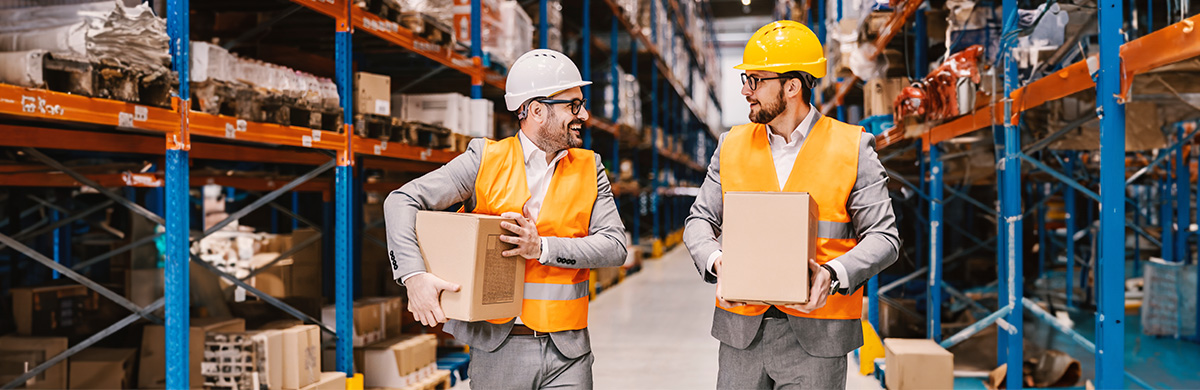
Industrial Packaging Safety, In the commercial industry, product packaging is more than just a means of enclosing items—it’s a vital aspect of workplace safety. Industrial packaging safety plays a critical role in minimizing injuries, reducing hazards, and ensuring that workers and
handlers can perform their duties without harm. With the growing emphasis on packaging ergonomics design, companies are increasingly investing in solutions that safeguard not only the products but also the people handling them.
Understanding Industrial Packaging Safety

Industrial packaging safety refers to the set of standards, practices, and design principles that aim to ensure the safe transport, handling, and storage of industrial goods. This includes everything from structural integrity to labeling and ergonomics. Unsafe packaging can result in accidents, product damage, and even long-term health issues for workers.
Why Worker Safety in Packaging Matters
Worker safety packaging is essential for maintaining operational efficiency and protecting human resources. Each year, thousands of workers suffer strains, sprains, and serious injuries due to poor manual handling packaging techniques. This not only leads to lost productivity but also increases compensation claims and regulatory scrutiny.
The Role of Packaging Ergonomics Design
Packaging ergonomics design involves creating packaging that minimizes physical strain and injury during handling. An effective ergonomic packaging design considers the body’s limits and capabilities, especially when lifting, carrying, or moving items. This results in ergonomic packaging solutions that are safer and more efficient.
Key Features of Ergonomic Packaging Design
-
User-friendly packaging design: Easy-to-open packages reduce strain and eliminate the need for sharp tools.
-
Packaging weight distribution: Evenly distributed weight reduces the risk of musculoskeletal injuries.
-
Lifting-friendly packaging: Proper grip points and weight limits make it easier for workers to lift and move packages.
-
Operator-friendly packaging: Designs that align with natural movement reduce fatigue and risk.
-
Packaging ease of handling: Clear instructions and intuitive layouts enhance movement and reduce errors.
You might also like: Custom Packaging Engineering The Role of in Solutions
Implementing Safe Packaging Practices

Adopting safe packaging practices begins with a packaging risk assessment. This involves analyzing the tasks involved in handling and transporting packages, identifying potential risks, and addressing them with safer alternatives.
Steps to Improve Industrial Packaging Safety
-
Conduct Packaging Risk Assessment
Regularly evaluate how packaging is handled across the supply chain to identify risks and prioritize improvements. -
Follow Packaging Safety Standards
Adhering to established packaging safety standards, such as ISO and OSHA guidelines, ensures compliance and reduces liability. -
Invest in Hazardous Packaging
When dealing with chemicals or flammable materials, specialized hazardous packaging is essential to prevent leaks, contamination, or explosions. -
Train Workers on Packaging Safety
Implement continuous packaging safety training to educate employees about proper handling techniques and safety protocols. -
Design for Injury Prevention
Use materials and shapes that support packaging injury prevention, such as cushioned edges, sturdy handles, and lightweight components.
Compliance and Standards in Industrial Packaging
Maintaining industrial packaging compliance is not only a legal requirement but also an ethical responsibility. Packaging must meet national and international standards to ensure safe storage and transport. This includes everything from labeling requirements to the physical construction of the packaging.
Packaging Ergonomics Standards
Packaging ergonomics standards provide frameworks for designing packaging that minimizes the risk of injury. These guidelines include recommendations on packaging design for workers, load limits, and handling instructions.
Case Studies: Impact of Ergonomic Design on Safety
Several companies have reported significant improvements in workplace safety and efficiency after integrating packaging design for safety.
-
A logistics company replaced bulky containers with lifting-friendly packaging, reducing back injuries by 40%.
-
Another manufacturer implemented user-friendly packaging design with built-in handles and observed a 30% drop in product drops and handler injuries.
Future of Safe Handling Packaging
The future of safe handling packaging lies in automation, sustainable materials, and smart packaging technology. Automated packaging systems can further reduce manual labor, while sensors and indicators on smart packages can alert handlers to excessive weight or instability.
Conclusion
Industrial packaging safety and packaging ergonomics design are not just buzzwords—they are essential elements of a safe and efficient industrial environment. By focusing on safe packaging practices, packaging safety training, and innovative ergonomic packaging solutions, businesses can protect their workforce and boost productivity.
Designing packaging with the worker in mind is a step toward not just compliance but true safety. From manual handling packaging to hazardous packaging, every choice matters. By adopting a holistic approach that includes packaging risk assessment, adherence to packaging safety standards, and investment in operator-friendly packaging, companies ensure a safer, healthier, and more sustainable workplace.
