


Packaging Cost Analysis Understanding True of Poor Decisions

Packaging cost analysis, In today’s competitive business environment, understanding the true cost of poor packaging choices is essential for companies aiming to maximize profits and operational efficiency. While many businesses focus on manufacturing and logistics, the hidden costs associated with subpar packaging are often overlooked. Conducting a thorough packaging cost analysis and evaluating the impact of packaging on expenditures can reveal major cost-saving opportunities.
Why Packaging Choices Matter
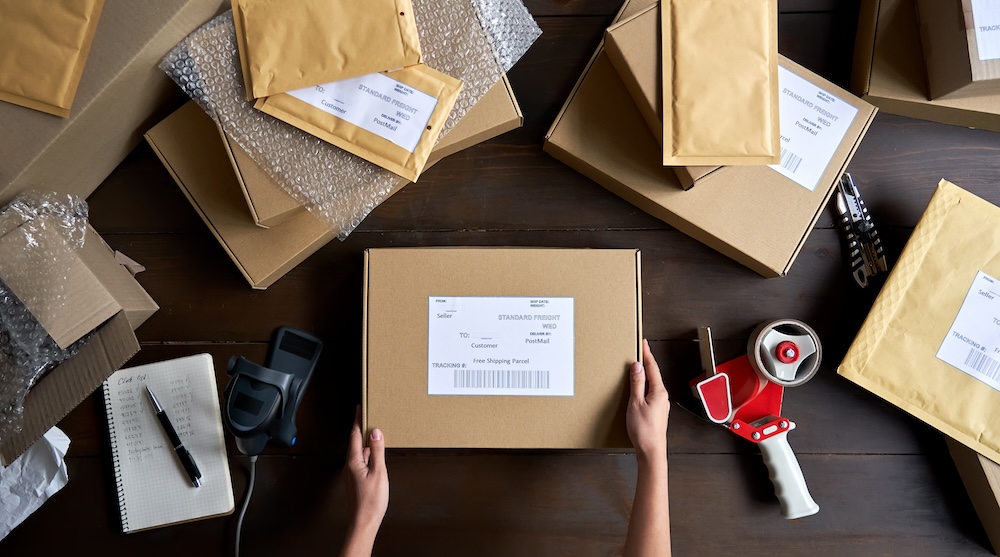
Packaging is more than just a container for your product. It plays a crucial role in product safety, customer experience, brand identity, and overall operational efficiency. Yet, the packaging impact on costs is often underestimated. Making poor choices can lead to increased packaging cost factors, unnecessary packaging expenses, and missed packaging cost-saving opportunities.
The Need for Packaging Cost Analysis
A comprehensive packaging cost analysis is the first step in identifying and reducing avoidable expenditures. This process involves a detailed packaging cost breakdown to understand how much is being spent on materials, labor, transportation, storage, and resolving issues caused by ineffective packaging.
Key Elements of a Packaging Cost Analysis:
-
Packaging pricing strategies – Are you using the most cost-effective materials?
-
Packaging cost optimization – Can you reduce material usage without compromising protection?
-
Packaging cost evaluation – Are all expenses related to packaging fully accounted for?
-
Packaging financial analysis – What is the total economic impact of your current packaging methods?
-
Packaging cost-benefit analysis – Do the benefits of your current packaging outweigh the costs?
Addressing these elements allows businesses to uncover hidden inefficiencies and align their packaging strategy with financial goals.
Impact of Packaging on Expenditures
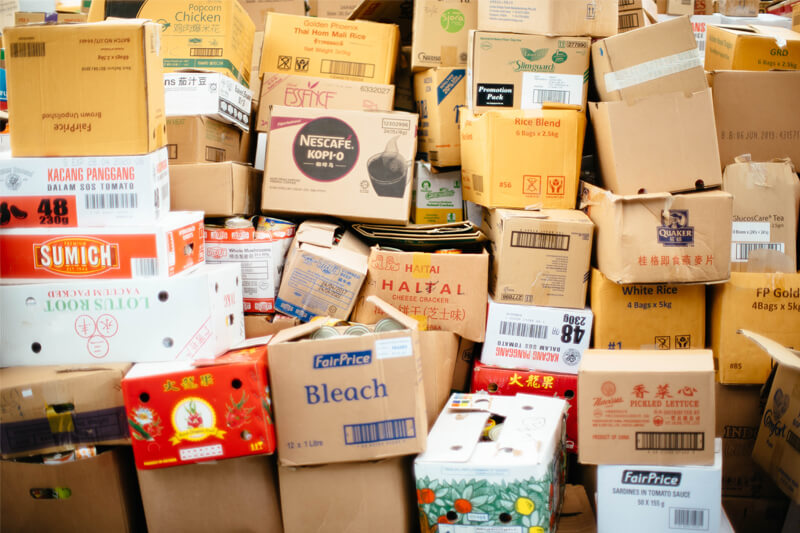
The impact of packaging on expenditures goes well beyond the price of packaging materials. Poor packaging decisions can lead to higher shipping costs, product returns, brand damage, and customer loss.
Common Packaging Cost Drivers:
-
Overuse of packaging materials
-
Inefficient packaging design increasing shipment volume
-
Excess weight from poor material choices
-
Increased product damage during transit
-
Higher labor costs due to complex packaging procedures
Each of these packaging cost drivers adds to your bottom-line expenses. Understanding the packaging effect on budget is vital for sustained profitability.
You might also like: Industrial Packaging Safety How Impacts the of and Handlers
The Financial Implications of Poor Packaging
Choosing the wrong packaging can lead to several packaging-related financial implications, such as:
-
Increased returns due to product damage
-
Higher transportation costs from bulky or heavy packaging
-
Lost sales due to poor customer experience
-
Storage inefficiencies due to non-stackable or oversized packages
These outcomes stress the need for effective packaging cost management and strategic planning.
Evaluating Your Packaging Budget
A detailed packaging budget analysis should be a standard part of your financial planning process. This involves:
-
Comparing packaging costs to overall operational expenses
-
Tracking packaging costs over time
-
Benchmarking against industry standards
-
Identifying seasonal or product-specific cost patterns
When businesses regularly conduct a packaging investment analysis, they can more accurately forecast spending, minimize waste, and identify packaging cost-saving opportunities.
The Role of Packaging in Operational Costs
Packaging is tightly integrated into all operational areas—from production and warehousing to transportation and customer delivery. Therefore, effective packaging and operational cost control can directly enhance efficiency.
Proper packaging choices contribute to:
-
Reducing product damage
-
Optimizing warehouse space
-
Lowering pick-and-pack times
-
Cutting shipping and logistics expenses
Aligning packaging strategies with logistics goals leads to better packaging cost control and higher returns on investment.
How to Conduct a Packaging ROI Calculation
An accurate packaging ROI calculation is essential to determine whether your packaging strategies are delivering adequate returns. This involves comparing the costs of packaging materials and processes to benefits such as:
-
Enhanced product protection
-
Improved brand image
-
Fewer returns and damages
-
Lower shipping costs
This packaging financial impact assessment justifies packaging investments with solid, data-driven results.
Strategic Packaging Cost Management Tips
To effectively manage the impact of packaging on expenditures, consider these best practices:
-
Use data: Regularly update packaging cost assessment reports with current figures.
-
Audit suppliers: Ensure you receive optimal value with competitive packaging pricing strategies.
-
Embrace innovation: Switch to more efficient or eco-friendly materials for long-term savings.
-
Train your team: Proper packaging and handling techniques reduce product damage.
-
Standardize packaging: Cuts manufacturing costs and enhances logistics efficiency.
These actions contribute to improved packaging cost optimization and sustained savings.
Prioritize Packaging Economics
The true cost of poor packaging choices goes far beyond the upfront price of boxes and fillers. It includes the packaging impact on costs, operational inefficiencies, customer dissatisfaction, and ultimately, lost profits. Companies that invest in packaging cost analysis, packaging financial analysis, and packaging budget analysis can uncover substantial opportunities for savings and improvement.
With the right strategies in place, packaging can evolve from a cost center to a competitive edge—boosting customer satisfaction while delivering a strong ROI.
