


Export packaging documentation Understanding Logistics of Export

Export packaging documentation, In today’s interconnected world, worldwide profession is expanding rapidly. Along with it comes the demand for reliable and certified export product packaging logistics and export product packaging documents. These two pillars ensure that goods arrive safely at their international destinations while complying with both domestic and international regulations.
In this guide, we’ll explore the key elements of bold export packaging for global deliveries, essential bold export packaging requirements, and the types of bold export shipping documents needed for successful international trade.
What Is Export Packaging Logistics?
Export product packaging logistics refers to the planning, design, handling, and coordination of packaging specifically tailored for international shipments. Unlike domestic deliveries, product packaging for international logistics must meet stringent requirements due to the complexity of cross-border product packaging services.
Why Is Export Packaging Important?
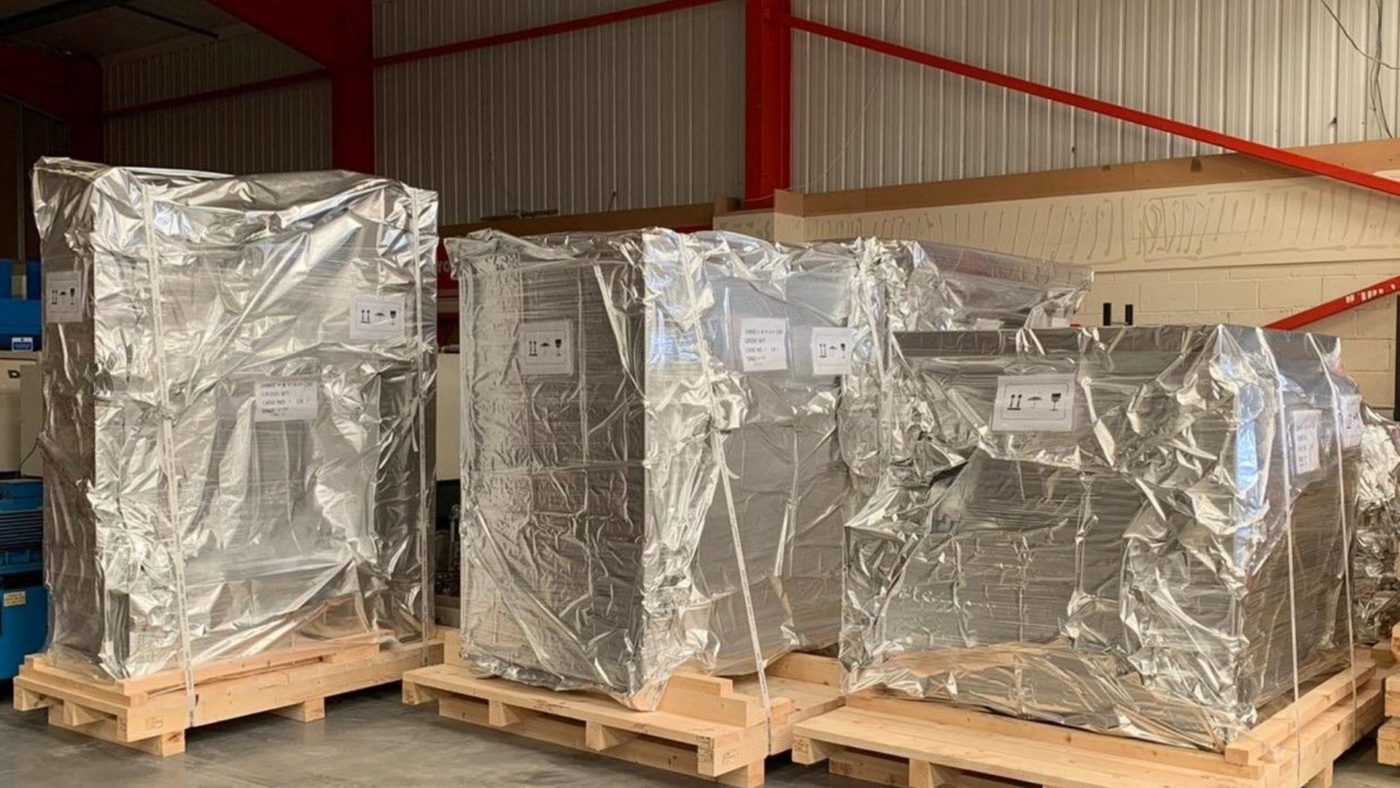
The main purpose of product packaging for export conformity is to protect products from physical damage, environmental factors, and mishandling during transportation. Additionally, adhering to international packaging standards helps businesses avoid costly delays, penalties, or rejections by customs authorities.
Essential Elements of Export Packaging Logistics
To ensure smooth export product packaging logistics, businesses must focus on the following components:
1. Export Packaging Materials
Choosing the right export packaging materials is crucial. Materials like treated wood, corrugated cardboard, plastic, and steel must comply with international packaging standards. For example, wood used in shipping for worldwide trade must be heat-treated or fumigated as per ISPM 15 regulations.
2. Export Packaging Standards
Export packaging standards vary by country and product type. These standards define how items should be packed, labeled, and documented. Following these guidelines ensures compliance and minimizes risks during transport.
3. Export Packaging Optimization
Export packaging optimization involves designing packaging that maximizes space utilization while minimizing costs. Optimized packaging reduces weight and volume, leading to lower shipping expenses and improved efficiency in the export packaging supply chain.
Understanding Export Packaging Documentation
While packaging protects the product physically, export product packaging documents provide necessary information for customs clearance, tracking, and compliance. Accurate documentation is essential for a smooth export process.
You might also like: Packaging and product damage Rates and Business Losses
Key Export Packaging Documents and Their Functions
1. Export Shipping Documents
Export shipping documents like the Bill of Lading, Commercial Invoice, and Packing List are essential for any international shipment. These documents provide details about the cargo, its origin, destination, and handling instructions.
2. Packaging Documents for Customs
Customs authorities require specific packaging documents for customs clearance. These confirm that the goods meet export packaging standards and labeling requirements, preventing legal issues and delays.
3. Export Documents for Packaging
Export documents for packaging include Certificates of Origin, Phytosanitary Certificates (for wood packaging), and Export Packaging Certification. These validate that the packaging meets the regulations of the importing country.
4. Packaging Compliance Documentation
Packaging compliance documentation confirms that the packaging complies with environmental, health, and safety regulations. This is particularly vital for hazardous materials and for shipments to countries with strict export packaging requirements.
5. Export Packaging Labeling Requirements
Proper labeling is a vital aspect of export packaging documents. Labels must include handling instructions, safety icons, and barcodes to support identification, traceability, and compliance.
The Export Packaging Verification Process

Before goods are shipped internationally, they must undergo a thorough export packaging verification process, which includes:
-
Checking the integrity and quality of export packaging materials
-
Ensuring packaging design meets international packaging standards
-
Reviewing all export shipping documents for accuracy
-
Confirming compliance with export packaging labeling requirements
-
Verifying complete packaging documentation for customs
Common Challenges in Export Packaging and Documentation
Despite its importance, many businesses face challenges when handling export product packaging logistics and documentation. Common issues include:
-
Incomplete or inaccurate export documents for packaging
-
Use of non-compliant export packaging materials
-
Failure to meet customs packaging documentation requirements
-
Lack of proper export packaging certification
-
Non-compliance with export packaging standards
To overcome these obstacles, companies should invest in training, work with reliable suppliers, and partner with experienced freight forwarders who understand the intricacies of packaging for export conformity.
Tips for Managing Export Packaging and Documentation Effectively
1. Partner with Experts
Collaborate with experienced logistics providers who specialize in packaging for international shipments and understand cross-border packaging services.
2. Automate Your Documentation Process
Use digital tools to generate and manage export shipping documents and ensure all packaging compliance documentation is accurate and up to date.
3. Standardize Packaging Procedures
Create internal export packaging guidelines to ensure consistency across all global shipments. This reduces the risk of non-compliance and streamlines the export packaging verification process.
4. Stay Updated on Global Changes
Keep up with changes in international packaging standards and trade regulations to maintain continuous compliance with export packaging logistics requirements.
Conclusion
Understanding and managing export product packaging logistics and export product packaging documents is crucial for businesses engaged in worldwide trade. By focusing on export packaging optimization, using compliant export packaging materials, and meeting all export packaging requirements, companies can ensure their goods move efficiently across borders.
Simultaneously, accurate and complete export shipping documents, packaging documents for customs, and export packaging labeling requirements help businesses avoid costly delays and remain compliant.
When businesses align their packaging operations with export packaging standards and invest in robust documentation systems, they position themselves for success in the global marketplace. Whether you’re new to exporting or an experienced trader, mastering the details of packaging for international logistics will give you a competitive edge.
