


Packaging and product damage Rates and Business Losses

Packaging and product damage, In today’s open market, consumer fulfillment pivots not just on the top quality of an item but also on its condition upon arrival. Packaging and product damage are directly linked—inadequate or poor-quality packaging can lead to increased product damage, higher return rates, and substantial business losses. For companies aiming to protect their bottom line, reducing packaging damage is a strategic priority that cannot be overlooked.
The Cost of Product Damage in Transit
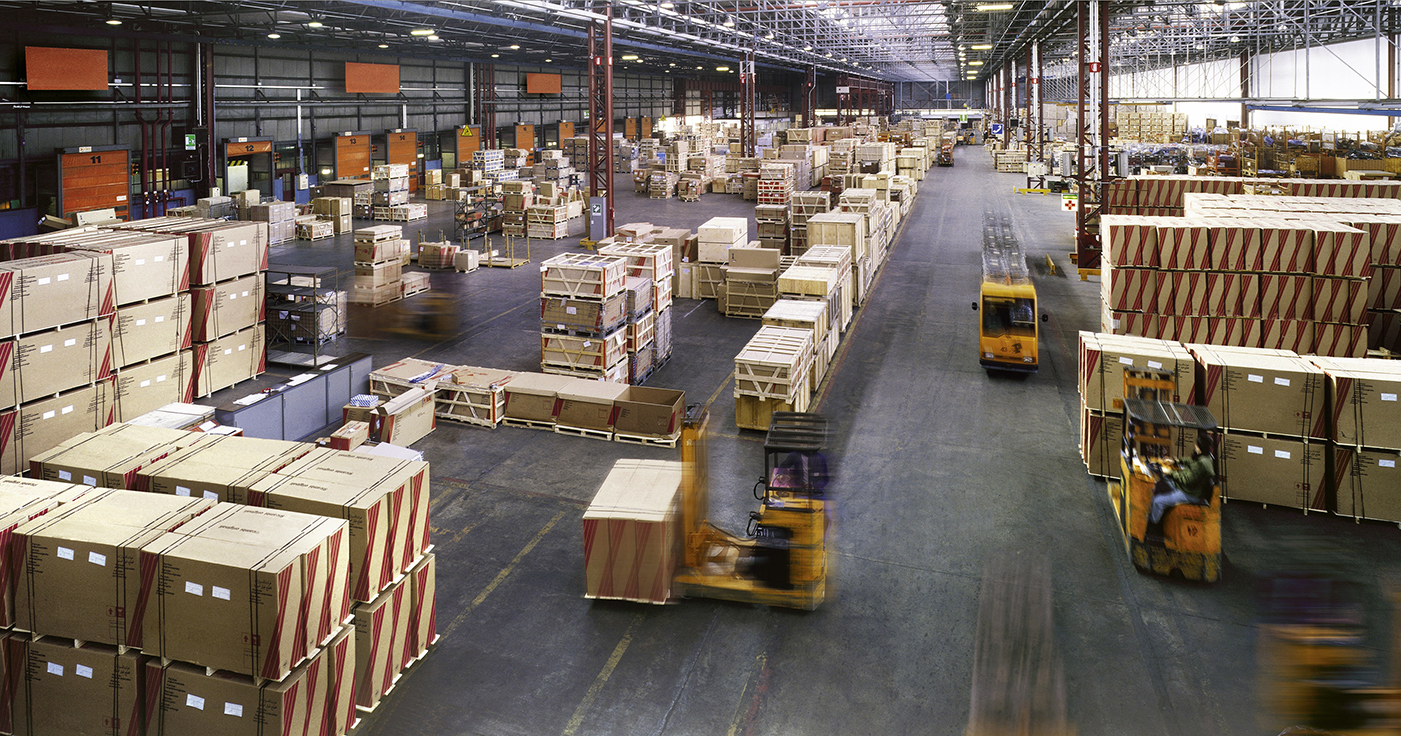
Each time a product is damaged during shipping, businesses face multiple consequences:
-
Cost of replacement
-
Loss of customer trust
-
Potential refunds
-
Negative reviews
Worse still, repeated damages can permanently damage a brand’s reputation.
Studies show that billions are lost annually due to avoidable shipping damage. That’s why many companies are now investing in packaging to prevent breakage, aiming to reduce product loss and improve customer retention.
Understanding the Link Between Packaging and Product Damage
Packaging and product damage are inherently connected. A poorly designed box, lack of padding, or inappropriate materials can make even a sturdy item vulnerable. When dealing with fragile goods, it’s essential to use packaging for fragile items to maintain product integrity during transit.
Key Causes of Packaging-Related Damage
-
Insufficient padding or fillers
-
Low-quality or thin packaging materials
-
Lack of structural support in design
-
Improper sealing or closures
-
No allowance for shock, vibration, or impact
Avoiding these issues requires investing in protective packaging materials and ensuring they match the product’s needs.
You might also like: Warehouse packaging solutions How to Reduce Storage
The Role of Packaging for Product Protection
The primary function of packaging is to protect the item from:
-
Mechanical shock
-
Environmental elements
-
Mishandling during transit
Packaging for product protection involves more than just wrapping the item. It includes designing packaging to absorb shocks, resist moisture, and shield from temperature fluctuations. Especially for fragile or perishable goods, packaging to prevent breakage is vital.
Testing packaging under simulated transport conditions is also essential, making packaging testing for damage prevention a key part of the process.
Effective Strategies for Reducing Packaging Damage
To develop damage-free packaging strategies, companies should prioritize structural design, cushioning, and material strength.
1. Use Impact-Resistant Packaging Materials
Durable materials such as foam, bubble wrap, and corrugated inserts offer excellent shock absorption. These impact-resistant packaging materials are ideal for electronics, glassware, and other delicate items.
2. Implement Strict Packaging Quality Control
Regular inspections and strength tests help prevent failures during transit. Packaging quality control involves:
-
Checking for manufacturing defects
-
Testing sealing strength
-
Verifying material integrity
3. Design for Durability
Packaging design for durability includes features like:
-
Reinforced corners
-
Double-walled boxes
-
Tamper-evident seals
These designs help withstand stacking, pressure, and accidental drops.
4. Focus on Packaging for Safe Transportation
Understand how products are handled, stacked, and moved during shipping. Packaging for safe transportation should include:
-
Proper labeling
-
Placement instructions
-
Secure internal compartments to prevent movement
5. Prevent Manual Handling Damage
Design packaging with ergonomics in mind to reduce damage from human handling. Packaging to avoid handling damage minimizes risks from lifting errors or improper stacking.
The Importance of Packaging for Fragile Items

Fragile items like ceramics, electronics, and glass require specialized packaging. Packaging for fragile products often includes:
-
Multi-layer protection
-
Anti-static materials (for electronics)
-
Dividers or separators
Failing to provide this level of protection increases the risk of damage and customer dissatisfaction.
Best Practices for Safe Packaging Solutions
-
Choose materials based on product weight and fragility
-
Use edge guards and foam inserts
-
Design snug-fitting internal compartments
-
Conduct drop and vibration tests
-
Include clear “Fragile” and “This Side Up” labels
These safe packaging solutions play a major role in maintaining product integrity and boosting customer trust.
Leveraging Packaging Innovations for Damage Prevention
Technological innovations have led to modern, safe packaging innovations such as:
-
Smart sensors that detect mishandling
-
Eco-friendly, impact-absorbing materials
-
Automated packaging systems that reduce human error
Other new packaging innovations for damage prevention include:
-
Custom-fit packaging foam
-
Biodegradable yet durable materials
Business Benefits of Damage-Free Packaging Strategies
Shifting to damage-free packaging delivers multiple business advantages:
-
Reduced return and replacement costs
-
Improved brand reputation
-
Increased customer satisfaction
-
Enhanced sustainability
-
Higher profit margins
Cost-Effective Approaches to Packaging for Damage Reduction
Quality doesn’t always mean high cost. Companies can still create cost-effective packaging for damage reduction by:
-
Optimizing packaging design
-
Using durable yet recyclable materials
-
Sourcing in bulk to lower unit costs
-
Outsourcing to packaging specialists
-
Investing in automation for consistency
The Strategic Value of Protective Packaging
The relationship between packaging and product damage is undeniable. Businesses that prioritize reducing packaging damage not only protect their goods—but also safeguard their brand reputation and bottom line.
Incorporating protective packaging solutions, ensuring rigorous packaging quality control, and exploring safe packaging innovations can dramatically reduce losses and improve customer satisfaction.
Investing in packaging for impact resistance, packaging to prevent breakage, and packaging for product protection is more than a defensive tactic—it’s a growth strategy. In an era where customer experience is everything, make your packaging the reason customers come back—not why they leave.
